

Did you know that the right combination of textures and patterns can greatly influence your mood in a room?
It’s more than just aesthetics; these elements can create a sense of warmth or spaciousness, depending on how they’re used. By thoughtfully selecting materials and designs, you can transform the atmosphere of your space in ways you might not have considered.
What if you could harness this knowledge to elevate your own decor? Understanding how to effectively incorporate these elements could change everything about your living environment.
Understanding Texture in Design

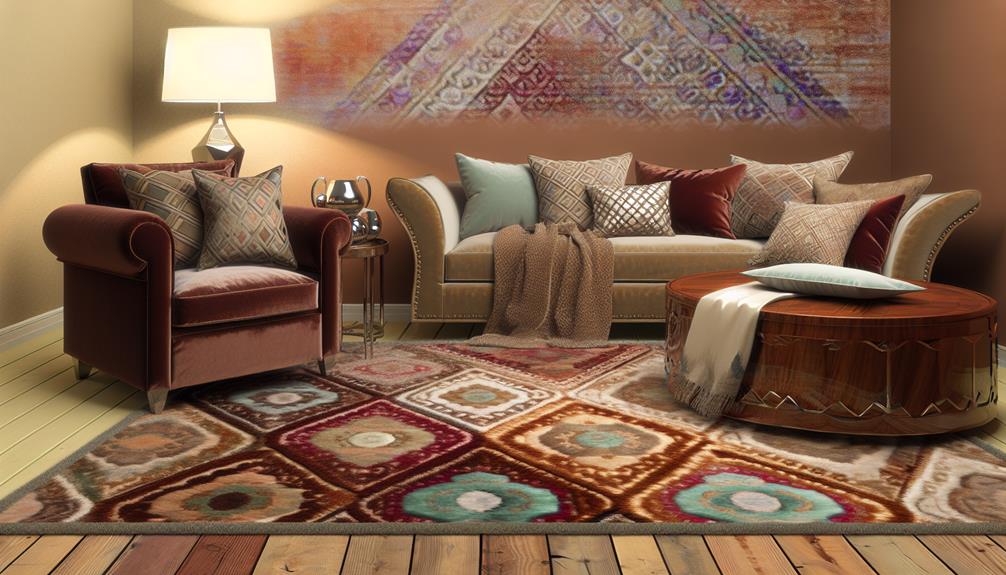
Texture plays an essential role in design, shaping both the look and feel of a space. It refers to the tactile and visual quality of surfaces, influencing ambiance and sensory experience.
You can categorize texture into tactile texture, which is the physical feel of materials, and visual texture, which creates illusions through patterns and colors. By layering different textures—like soft fabrics with hard surfaces—you can add depth and dimension to flat spaces, enhancing visual interest. This approach invites interaction and comfort.
For instance, incorporating rustic elements like distressed wood and metal accents can add warmth and character to a room. Similarly, mixing textures like burlap and jute can create an authentic farmhouse look.
Importance of Texture in Spaces
In any space, the importance of texture can’t be overstated. Texture in interior design enhances sensory experiences, influencing how you feel in a room. By incorporating different textures—like soft fabrics or patterned wallpapers—you add depth and dimension to your decor. This enriches the overall aesthetic, making your space more inviting.
Different textures can evoke specific atmospheres; for instance, natural textures such as wood and stone create warmth, while polished surfaces convey luxury. Incorporating a mix of rustic and modern elements, such as a Rustic Farmhouse Lantern Decor(https://www.illchansethislater.com), can add complexity to your design. Additionally, using a variety of materials, like those found in Farmhouse Decor Pieces, can create a visually appealing atmosphere.
Interior designers often layer different textures to create visual interest. This layering not only prevents monotony but also enhances spatial perception, making the room feel more dynamic. Ultimately, textures influence light and shadow, shaping the ambiance and experience within your space.
Choosing Textures for Your Decor

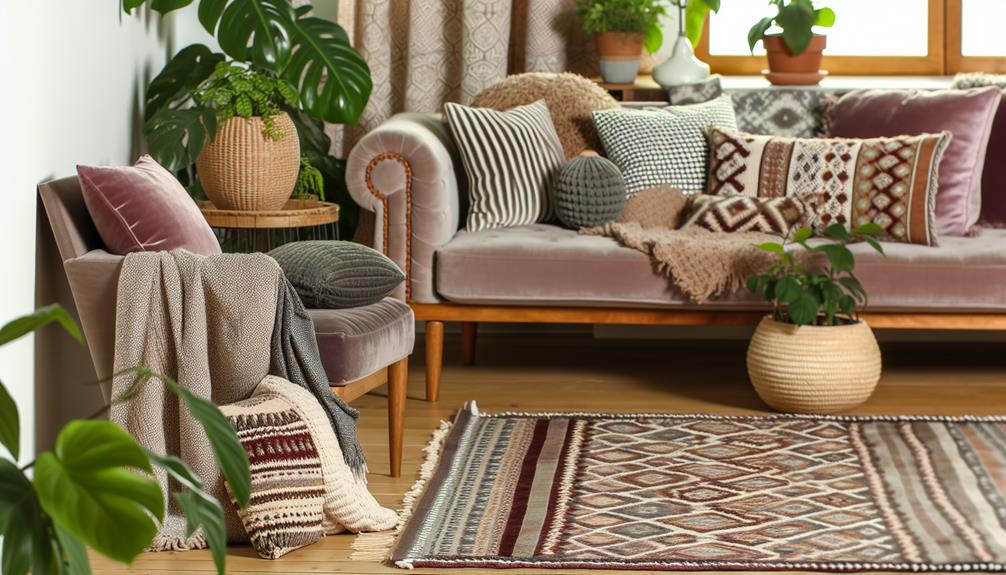
When selecting textures for your decor, it’s essential to contemplate the function of each room.
Different textures in interior design can enhance both aesthetics and comfort. Farmhouse decor trends, which merge traditional and modern elements, can also serve as inspiration for your texture choices refreshing farmhouse style.
Incorporating natural materials like wood, stone, and wrought iron can add authenticity to your space. Here are some tips to guide you:
- Consider Soft Fabrics: Use materials like velvet in living rooms for a cozy feel.
- Opt for Durability: Choose tougher textures, like leather, for high-traffic areas.
- Layer Textures: Combine smooth marble with soft textiles to create depth.
- Focus on Nature: Incorporating natural textures, like wood and stone, adds warmth and tranquility.
Ensure that your chosen textures complement the overall color palette.
Contrasting textures can enhance the visual dynamics, making your space inviting and connected to nature.
Key Textural Elements to Consider
When you’re choosing textures for your space, think about the essential materials that can make a big impact.
Wood adds warmth, while metal brings a modern touch, and fabric creates a cozy atmosphere.
Combining these textures effectively not only enhances the visual appeal but also enriches your overall experience in the room.
Essential Textural Materials
Exploring essential textural materials can transform your room decor into a dynamic and inviting space. By thoughtfully incorporating different textures, you can enhance your interior design.
Here are four key materials to contemplate:
- Wood – Adds warmth and an organic feel, perfect for creating a cozy atmosphere.
- Metal – Introduces sleekness and modernity, ideal for a contemporary look.
- Fabric – Provides comfort and tactile quality, making your space feel inviting.
- Stone – Offers durability and timelessness, enhancing both visual and tactile textures.
Mixing these materials can create a rich, layered environment. For instance, pairing rough stone with soft textiles balances hardness and softness beautifully.
Combining Textures Effectively
To create a visually striking and cohesive room, combining textures effectively is key. Think about how different types of patterns and textures can work together.
Pair warm wood with sleek metal to add depth and contrast. For instance, a plush velvet sofa alongside a rustic wooden coffee table creates visual interest.
Don’t forget to incorporate patterned wallpaper or textured accent walls; they can serve as stunning focal points. Adding natural textures like plants and stone fosters a tranquil environment, connecting you to nature.
As you mix these elements, evaluate their durability and tactile qualities based on the space’s function. An interior designer can help guide your choices, ensuring you not only add texture but create a harmonious atmosphere.
The Role of Patterns in Design


Patterns often play an essential role in design, enhancing visual interest and establishing the atmosphere of a space. They can influence emotions and spatial perceptions, making your room feel inviting or dynamic.
Here are some key points to take into account:
- Types of Patterns: Geometric, organic, and abstract patterns evoke different feelings.
- Emotional Impact: Patterns can create a calming effect or add vibrancy.
- Spatial Perception: Strategically placed patterns can make small rooms feel larger or cozy.
- Balance is Key: Combining patterns with solid colors prevents overwhelming the space, allowing for a harmonious design.
Types of Patterns and Their Effects
When you think about patterns in your decor, consider how each type can transform your space.
Geometric patterns can bring a modern feel, while organic patterns create a soothing atmosphere that invites relaxation.
Abstract patterns, on the other hand, allow you to express your creativity, turning your room into a unique reflection of your personality.
Geometric Pattern Benefits
Geometric patterns bring a sense of order and modernity to interior spaces, making them a popular choice in contemporary decor.
By incorporating these designs, you can achieve several benefits:
- Visual Interest: Geometric patterns enhance the dynamism of a room, creating a lively atmosphere.
- Spatial Perception: Vertical stripes can make ceilings feel higher, while horizontal lines can expand the room’s width.
- Focal Points: Use geometric designs to draw attention to accent walls or statement furniture pieces.
- Versatility: These patterns can be easily integrated into various design elements, including wallpaper, textiles, and flooring.
Organic Pattern Effects
Incorporating organic patterns into your decor can transform your space, infusing it with a sense of calm and connection to nature. These patterns, inspired by elements like florals and leaves, promote serenity, making them perfect for relaxation areas such as bedrooms and living rooms.
With their flowing lines and irregular shapes, organic patterns create an inviting atmosphere that contrasts sharply with rigid geometric designs. They can enhance spatial perception by softening hard edges, introducing a sense of movement that makes your space feel dynamic.
Textured fabrics featuring these patterns add depth, enriching the tactile experience. Ultimately, organic patterns evoke emotional connections to nature, aligning with biophilic design principles that enhance your overall well-being and comfort in your living environment.
Abstract Pattern Appeal
Organic patterns bring a natural, soothing vibe to your decor, but abstract patterns inject an artistic energy that can completely change the atmosphere of your space.
These designs can create a sense of vibrancy and stimulate creativity, making them perfect for any interior. Here are some tips for using abstract patterns effectively:
- Focal Points: Use them on accent walls or statement furniture to draw attention.
- Layering: Pair abstract patterns with solids or other patterns for dynamic depth.
- Scale Matters: Choose larger patterns for impact, and smaller ones for subtle interest.
- Emotional Tone: Consider how different patterns can evoke various feelings in the room.
Incorporating abstract patterns adds textural effects and enhances your overall design, making your space truly unique.
Incorporating Patterns Into Your Decor


While patterns can add depth and character to your decor, knowing how to use them effectively is key to achieving a harmonious look. To incorporate patterns in your living room, mix different scales and styles. For instance, pair a large geometric rug with smaller, organic throw pillows. This balance creates visual interest without overwhelming the space.
Here’s a quick guide:
| Pattern Type | Best Use |
|---|---|
| Geometric | Spacious areas, rugs |
| Organic | Textiles, smaller accents |
| Abstract | Accent walls, art pieces |
Frequently Asked Questions
Why Is Texture Important in Home Decor?
When it comes to home decor, you can’t judge a book by its cover. Texture’s essential for your tactile experience, creating visual interest through layering techniques and material choice, ultimately enhancing ambiance creation in your space.
What Does Texture Do for the Appearance of a Room?
Texture creates visual depth and enhances spatial perception in your room. It invites tactile experiences, enriches color interaction, and provides material contrast, making your space more dynamic and appealing while keeping it engaging and inviting.
How Does Pattern Affect a Room?
Imagine bold patterns drawing your eye, creating focal points that energize the room. You’ll find color psychology influencing mood enhancement, while visual balance keeps spatial perception harmonious—helping you craft an inviting, dynamic atmosphere.
What Is the Effect of Pattern in Design?
Patterns in design evoke emotional responses, reflecting cultural significance and trend evolution. You’ll find that understanding pattern psychology helps you achieve visual balance, creating spaces that resonate with your personal style and foster inviting atmospheres.


